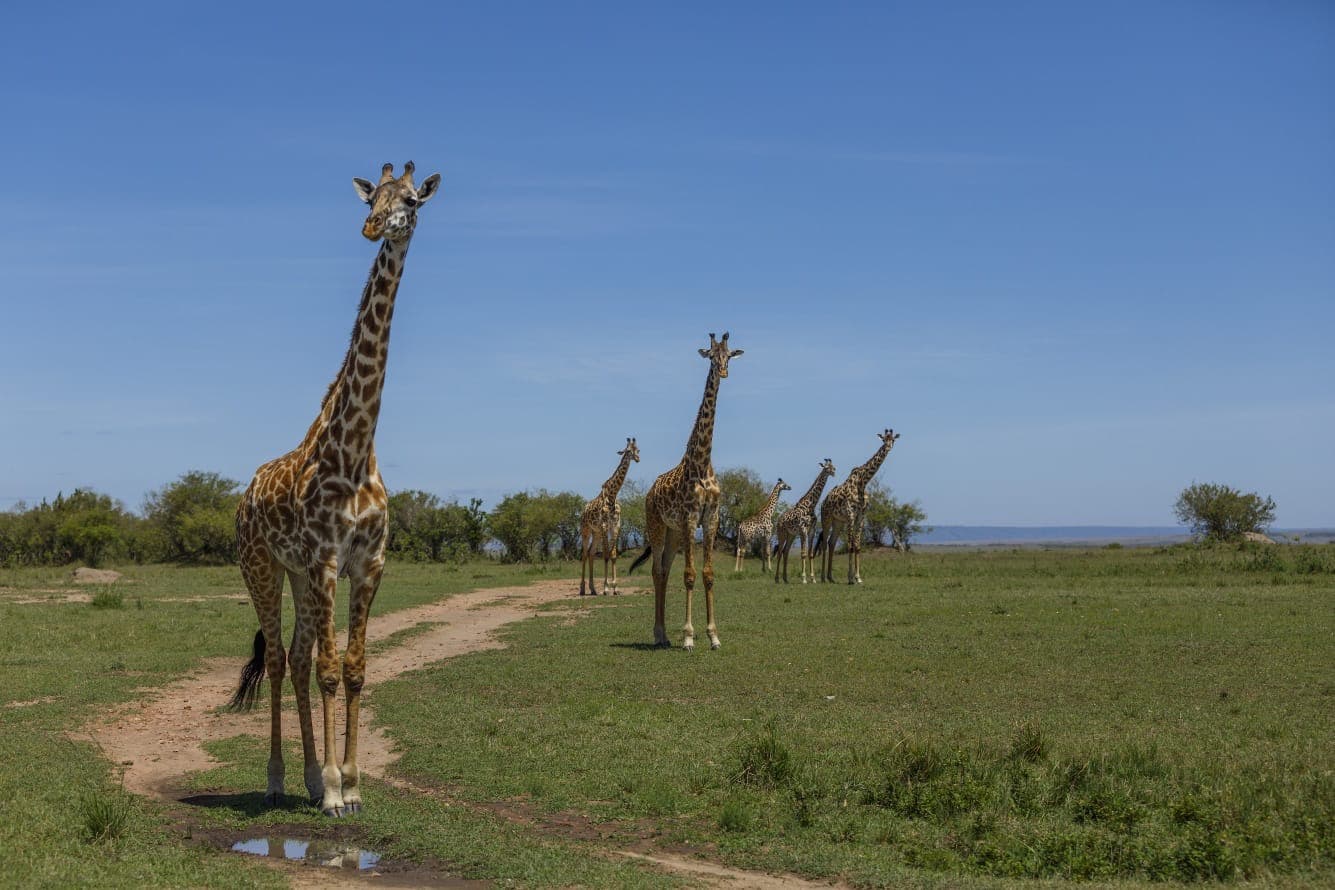
Ngorongoro Crater: A Photographer's Guide to the World's Largest Caldera
The Ngorongoro Crater packs the Big Five into 260 square kilometres of volcanic caldera. Here's how to photograph it — from rim-light lions to flamingo-filled lakes.
Why Ngorongoro Is Special for Photographers
The Ngorongoro Crater is the world's largest intact volcanic caldera — a natural amphitheatre roughly 20 kilometres across, with walls rising 600 metres above the floor. Inside this bowl lives one of the densest concentrations of wildlife in Africa: an estimated 25,000 large mammals including lion, elephant, buffalo, black rhino, hippo, hyena, and flamingos.
For photographers, the appeal is straightforward: you are almost guaranteed to see the Big Five in a single day, and the contained geography means that animals are never far away. The crater floor is relatively flat and open, which means long sight lines, clean backgrounds, and excellent vehicle positioning opportunities.
Best Time to Visit for Photography
Dry Season (June – October)
The classic photography window. Grass is short, animals are concentrated around the few permanent water sources, and visibility is at its best. Predator-prey interactions are more frequent and easier to witness. Morning mist rising from the crater floor creates ethereal backdrops.
Green Season (November – April)
The crater transforms into a lush, green landscape. Flamingos arrive at Lake Magadi in massive numbers. Calving occurs on the crater floor. The light is softer and more dramatic, with afternoon storm clouds building spectacular skies. Fewer vehicles.
My recommendation: June to September for big cats and predator action. January to March for flamingos and calving. Both periods offer exceptional photography.
The Descent: Making the Most of Your Time
The Ngorongoro Conservation Area Authority limits vehicles to approximately six hours on the crater floor per visit. This means every minute counts. Here is how I structure a photography day in the crater:
Pre-Dawn Start
We leave the crater rim before sunrise — the descent takes 20–30 minutes on the steep, winding track. By the time we reach the floor, the first light is hitting the eastern wall and the lions are finishing their night hunts.
Morning Priority: Predators
Lions are the crater's star attraction. The population is relatively stable at around 50–60 individuals, and they are remarkably habituated. Early morning is when they are most active — finishing kills, interacting socially, or moving to shade before the heat.
Camera settings for morning lions:
- Shutter: 1/500s+ (they move more than you expect)
- Aperture: f/4–f/5.6 for subject isolation against the green floor
- ISO: 400–1600 depending on cloud cover
- AF: Continuous tracking on the eye
Mid-Morning: The Crater Lake
Lake Magadi (also called the soda lake) sits in the centre of the crater and attracts flamingos — sometimes in tens of thousands. The combination of pink birds against the blue-green alkaline water, with the crater walls behind, is one of Africa's most iconic photographic compositions.
Tip: Use a longer lens (200–400mm) to compress the flamingos against the backdrop. Shoot at eye level from the vehicle window for the most intimate perspective.
Late Morning: Black Rhino
Ngorongoro is one of the few places in East Africa where black rhino sightings are relatively reliable. They tend to be distant — often 200–400 metres away — so bring your longest lens. The crater floor's open terrain means you can often get clean, unobstructed views.
Afternoon: Elephants and Hippos
The large bull elephants of Ngorongoro are some of the biggest-tusked in Tanzania. They move slowly across the crater floor and are generally relaxed around vehicles. The hippo pools near the Mandusi Swamp offer close encounters — hippos yawning, fighting, and interacting with egrets.
Essential Photography Tips
Light in the Crater
The crater walls create unique lighting conditions. In the morning, the western wall casts a long shadow across the floor — position yourself so your subject is in the light while the background is in shadow for natural contrast. In late afternoon, the eastern wall does the same.
Dust and Weather
The descent road kicks up significant dust. Keep lens caps on and cameras in bags during the drive down. Afternoon rain showers are common in the green season — bring a rain cover for your gear.
Composition with the Crater Walls
The walls are your secret weapon. They provide a dramatic, sweeping backdrop that immediately tells the viewer this is Ngorongoro. Include them in wider shots — a lone elephant walking across the floor with the wall rising behind is a signature image.
What to Bring
- Lenses: 100–400mm zoom for wildlife; 24–70mm for landscapes and the crater panorama from the rim
- Teleconverter: A 1.4x for distant rhinos
- Wide-angle: For the crater rim sunrise — one of Africa's great landscape moments
- Warm layer: The rim sits at 2,300 metres; mornings are cold (8–12°C)
Combining Ngorongoro with the Serengeti
Most photography itineraries pair Ngorongoro with the Serengeti — they are only a few hours apart. The crater offers density and reliability; the Serengeti offers space, migration drama, and vast skies. Together, they create one of the world's great wildlife photography experiences.
On a fototrails 365 tour, we typically spend 1–2 days at Ngorongoro and 4–5 days in the Serengeti, depending on the migration timing and your goals.
Explore This Destination