
Tanzania
Ngorongoro Crater
The world's largest intact caldera — a natural amphitheatre of the Big Five
Overview
Why Visit
The Ngorongoro Crater is one of the most extraordinary wildlife arenas on earth. Formed by a collapsed volcano roughly three million years ago, the 260 sq km caldera floor hosts an astonishing concentration of wildlife — approximately 25,000 large mammals including the highest density of lions in Africa, the rare black rhino, vast elephant herds, and two permanent lakes that draw hundreds of thousands of flamingos. The crater rim sits at 2,300 metres and offers sweeping panoramic views over the entire caldera before the descent. For photographers, the contained geography means wildlife is consistently findable — and the crater's misty mornings, golden grasslands, and dramatic cloud formations create images unlike anywhere else in Tanzania.
Nitin's Tips
Experiencing Ngorongoro Crater
The Ngorongoro Crater rewards early descent. Nitin times the drive down the crater wall to coincide with the first golden light breaking through the morning mist that settles on the caldera floor — a luminous, almost otherworldly atmosphere that lasts for 30 to 45 minutes. The crater's compact geography means you can be with lions at dawn, photographing flamingos on Lake Magadi by mid-morning, and close to black rhino by afternoon — all within a single day. The steep crater walls create dramatic backdrops: animals moving across the golden grassland against a wall of green forest rising 600 metres on all sides. Black rhino are consistently sighted here — one of the few places in Tanzania where you can photograph them at close range.
Book This Destination
Pricing (per day)
Jan–Jun
Jul–Dec
Highlights
- ✦Highest density of lions in Africa
- ✦Rare black rhino — consistently sighted
- ✦Big Five in a single day within the crater
- ✦Flamingo-filled lakes on the crater floor
- ✦Dramatic misty crater-rim mornings
Wildlife
9 speciesBest Time to Visit
June – October (dry, clear crater floor); December – March (green, dramatic skies)
Travel Essentials
Visa
Visa on arrival / e-Visa
Currency
TZS (Tanzanian Shilling)
Language
English, Swahili
Timezone
EAT (UTC+3)
At a Glance
Crater floor area
260 km²
Large mammals
25,000+
Crater wall height
600 m
All in one day
Big Five
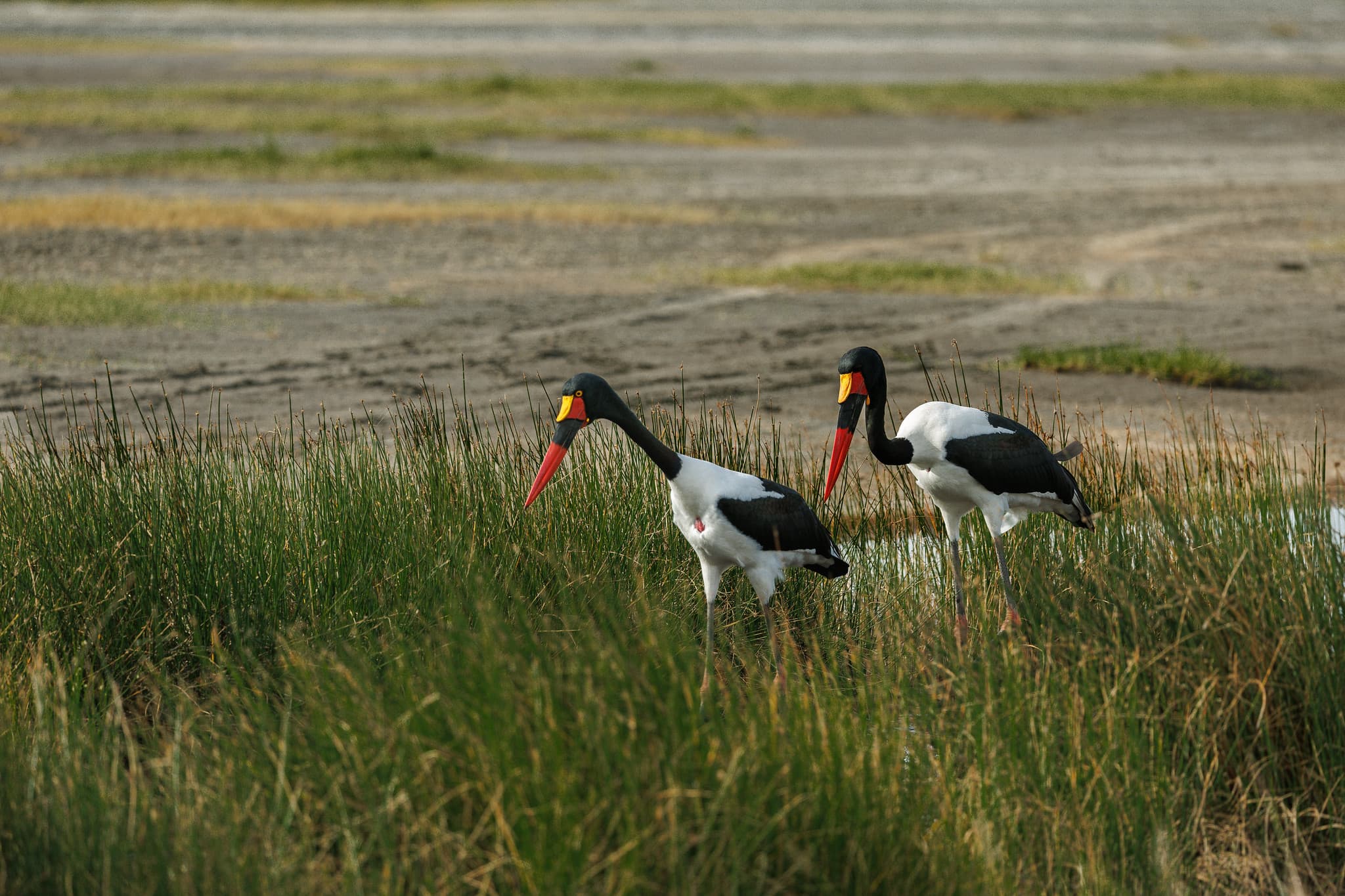
Ngorongoro Crater — saddle-billed stork pair foraging in the marshlands
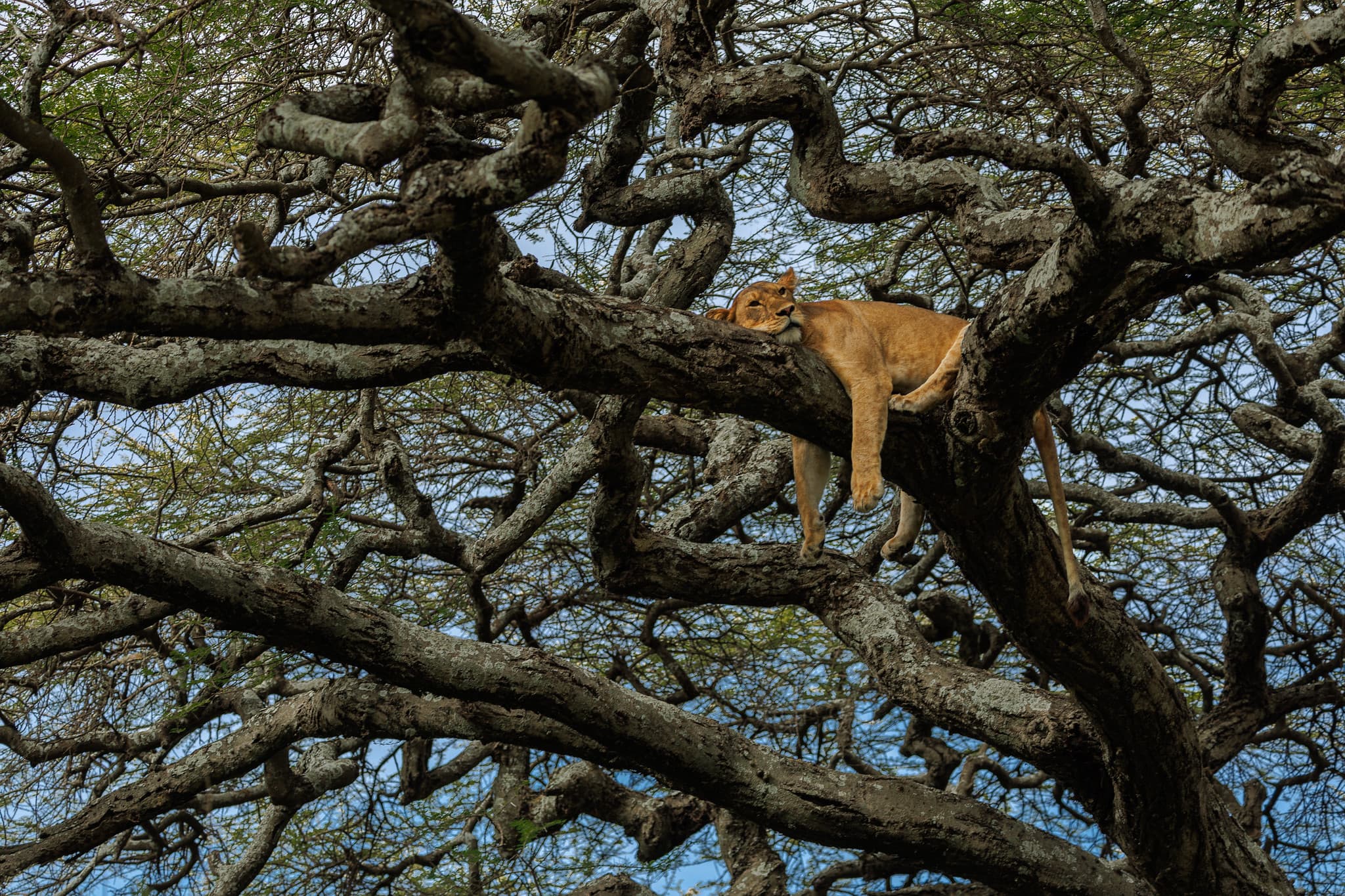
Ngorongoro Conservation Area — tree-climbing lioness asleep in a twisted acacia

Ngorongoro Conservation Area — the Fototrails 365 Land Cruiser on the plains
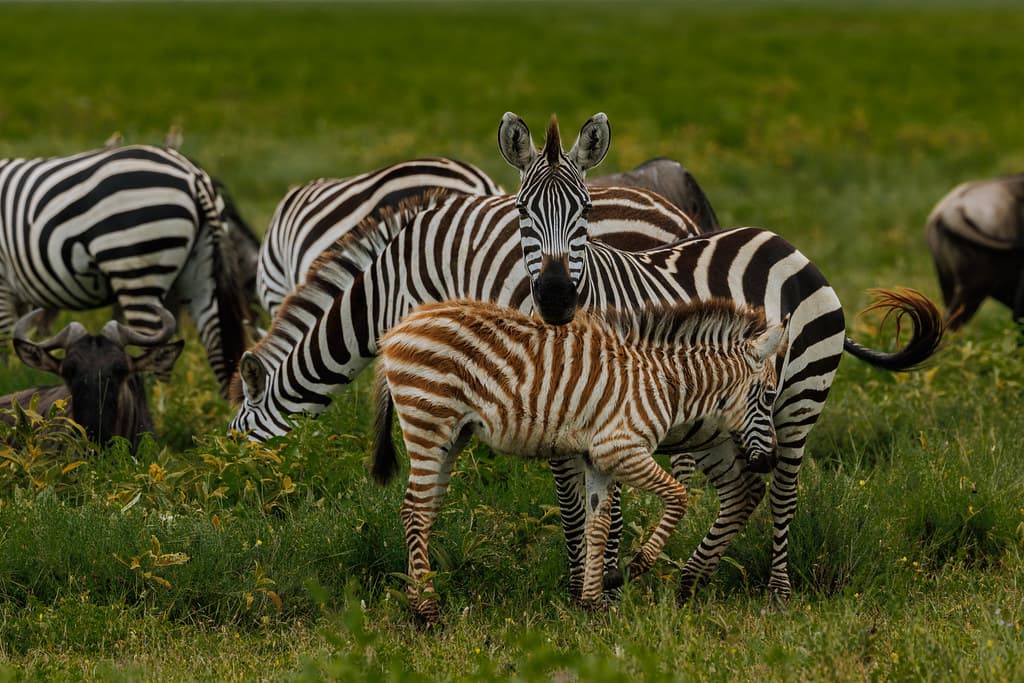
Ngorongoro Crater — zebra foal with its mother on the lush crater floor
What to Expect
Golden-Hour Descent
The drive down the crater wall at first light — through morning mist into the caldera — is one of the great wildlife photography entrances.
Photography-First Positioning
The vehicle is positioned for the composition — not just proximity. Light angle, background, and subject movement are all considered.
Max 12 Guests
Small groups mean more room, quieter approaches, and Nitin's undivided attention on your goals.
Sample Itineraries
Photography Tours in Ngorongoro Crater
These are starting points. All dates and details are customised for your group.
From the Blog
Ngorongoro Crater Photography Guides


Plan Your Ngorongoro Crater Safari
Tell us your vision and we'll build the experience around you. No fixed dates, no set groups.
Get in Touch