Ngorongoro Crater vs Serengeti — Which Is Better for Wildlife Photography?
Two of Tanzania's greatest wildlife destinations, separated by just three hours of road. But they offer fundamentally different photography experiences. Here's an honest, practical comparison.
The Short Answer
If you can do both, do both. Ngorongoro and Serengeti are complementary, not competing. They sit barely three hours apart by road, and together they offer the most complete wildlife photography experience in East Africa.
But if time or budget forces a choice — and it often does — the right decision depends on what you want to photograph, how many days you have, and what kind of images you want to bring home. This is an honest comparison based on years of leading photographers through both.
The Fundamental Difference
The Ngorongoro Crater is a 260 km² caldera floor — a natural amphitheatre with 600-metre walls on all sides. The wildlife cannot easily leave. This creates an extraordinary concentration of animals in a contained, manageable space. You can photograph the Big Five in a single day without covering enormous distances.
The Serengeti is 14,750 km² of open savanna, kopje-studded plains, riverine forest, and grassland stretching to the horizon in every direction. The wildlife is dispersed across a vast landscape that changes character dramatically from south to north, from season to season. The scale is the point.
One is an arena. The other is a continent in miniature.
Wildlife Density: Ngorongoro Wins
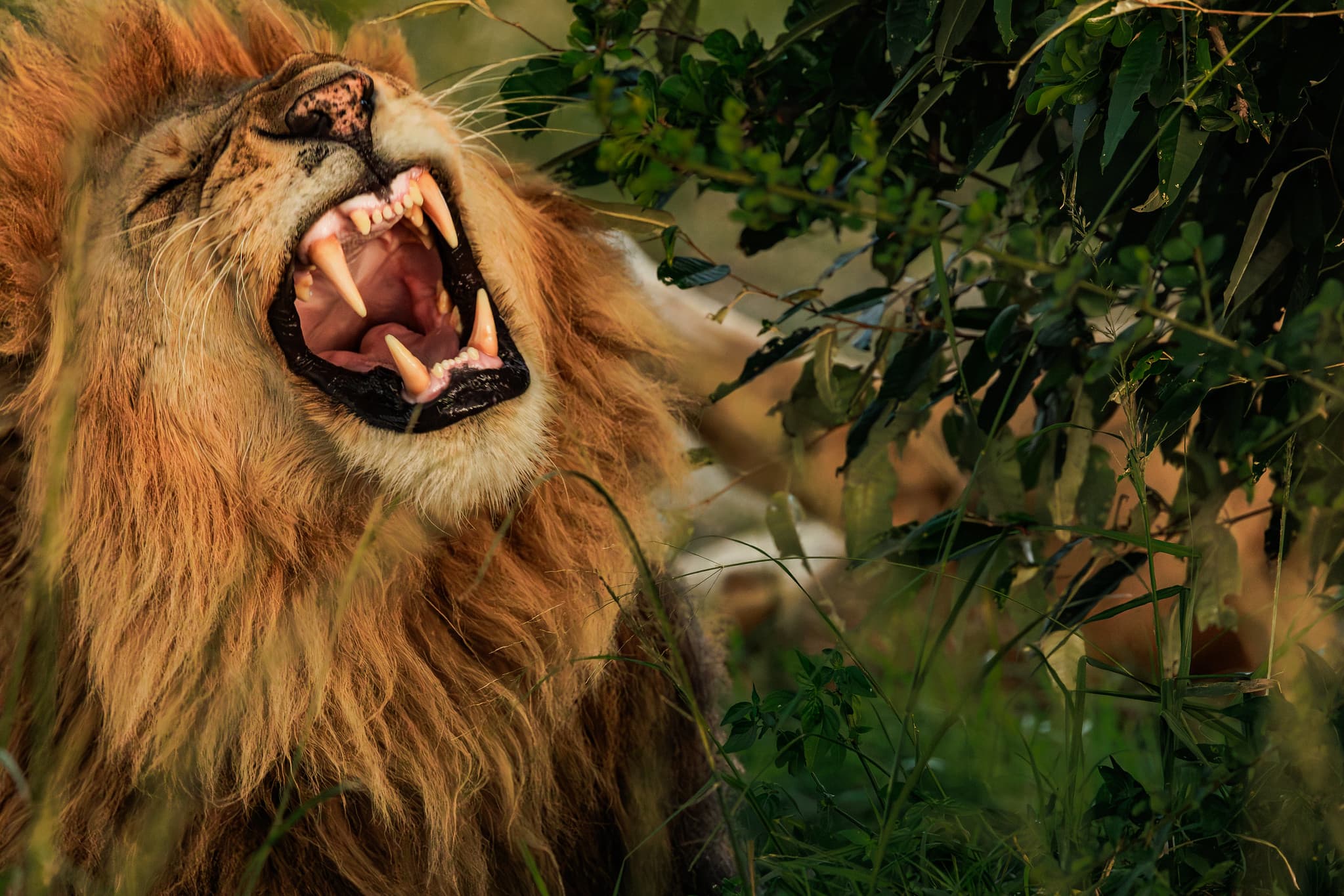
This is Ngorongoro's defining strength. Approximately 25,000 large mammals live permanently on the crater floor. Because the steep walls create a natural enclosure, the animals are consistently findable. Lions are seen on virtually every descent. Elephant herds move across the grassland in predictable patterns. Hippos occupy the pools reliably. Flamingos mass on Lake Magadi in staggering numbers.
For a photographer, this density translates into efficiency. You spend less time searching and more time composing. On a good morning in the crater, you can be with lions at dawn, photographing flamingos by mid-morning, and close to black rhino by early afternoon.
The Serengeti's wildlife density varies enormously by location and season. During the calving season on the southern plains (January–March), the concentration of wildebeest and predators rivals anything on earth. But in the off-season, or in the wrong area, you can drive for an hour without a significant sighting. The Serengeti rewards knowledge of where to be and when — and it punishes guesswork.
Landscape Variety: Serengeti Wins
The Ngorongoro Crater is visually dramatic — the 600-metre walls rising on all sides, the morning mist settling on the caldera floor, the alkaline lakes reflecting pink with flamingos. But it is, ultimately, one landscape. A beautiful one, but a single environment with a consistent visual palette.
The Serengeti offers a portfolio of landscapes. The iconic kopjes — granite rock formations rising from golden grass — are natural stages for leopards and lions. The Grumeti and Mara rivers cut through dense riverine forest. The southern short-grass plains are vast and minimal, almost abstract in their simplicity. The Western Corridor is different again — denser, greener, more closed.
For photographers who want variety in their portfolio — different backdrops, different compositions, different moods across a single trip — the Serengeti delivers a range that the crater cannot match.
Big Five Accessibility
Ngorongoro: All Five in a Day
Ngorongoro is one of the very few places in Africa where you can realistically photograph all Big Five species in a single day. Lion, elephant, and buffalo are seen on almost every visit. Hippo are resident in the pools. And critically, black rhino are consistently sighted here — one of the few locations in Tanzania where this is true. The confined geography means rangers know where the rhino tend to be, and a patient approach often yields close sightings.
Serengeti: Four of Five, Reliably
The Serengeti has excellent populations of lion, leopard, elephant, and buffalo. Rhino sightings, however, are rare. The park's rhino population is small and widely dispersed across a vast area. If photographing rhino is a priority, the Ngorongoro Crater is the clear choice.
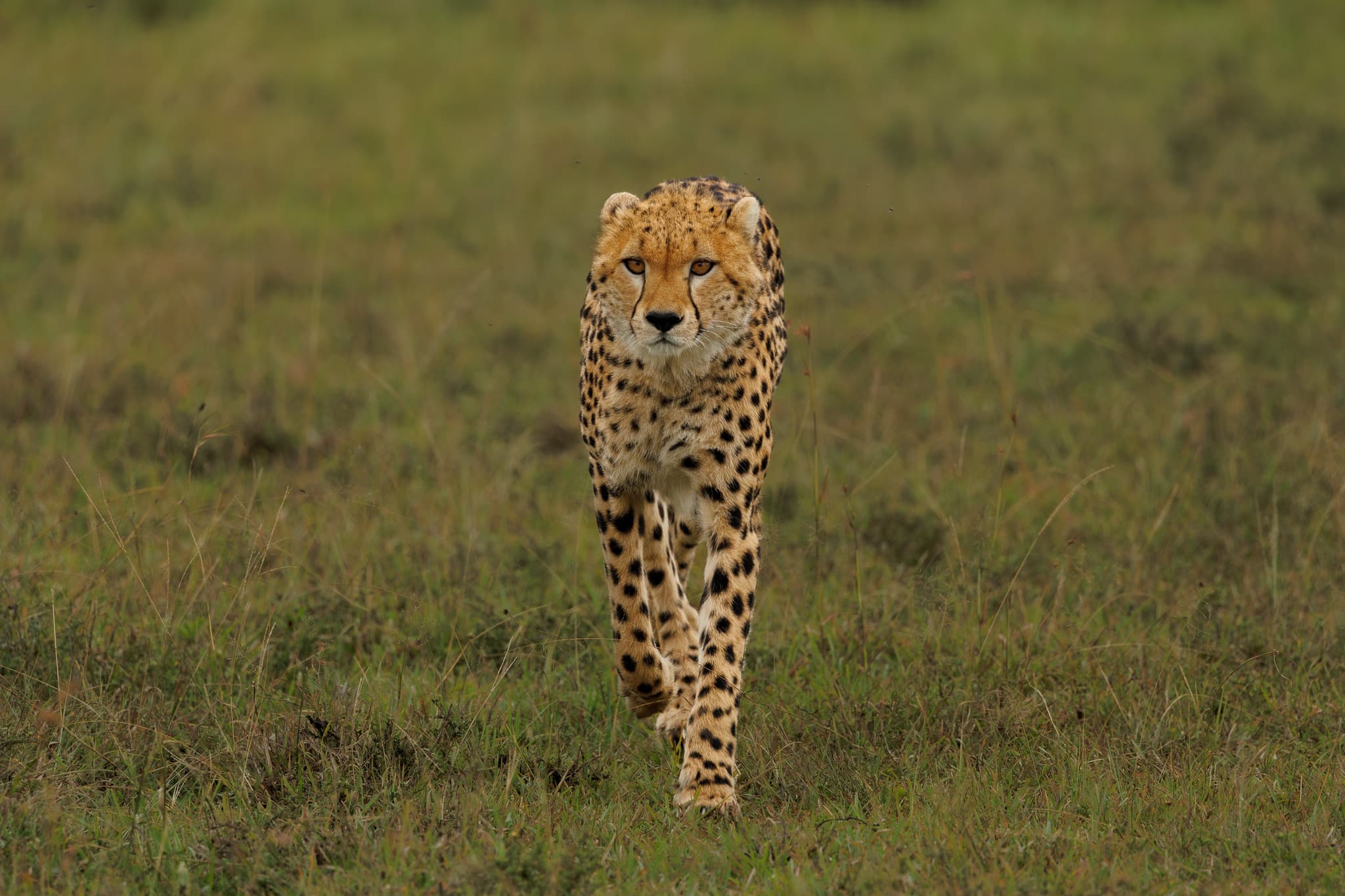
Where the Serengeti excels is in the quality of big cat encounters. Kopje leopards draped across sun-warmed granite in perfect morning light. Cheetah hunts playing out on the open southern plains with no visual obstruction. Lion prides using rock formations as lookouts, giving you eye-level compositions as you approach from lower ground. The Serengeti's big cat photography is among the finest anywhere.
Migration Access
The Great Wildebeest Migration is a Serengeti story. The 1.5 million wildebeest spend the majority of their annual cycle within the Serengeti ecosystem — calving on the southern plains from January to March, moving through the central Serengeti from April to June, and crossing the Grumeti and Mara rivers from July onward.
Ngorongoro has no migration. The crater's resident wildlife is permanent and does not participate in the seasonal movement. If the migration is your primary photographic goal, the Serengeti is the only option.
That said, many Tanzania itineraries combine the Serengeti with a Ngorongoro day visit — and the migration calving grounds on the southern Serengeti plains are only a few hours from the crater. During January to March, you can photograph newborn wildebeest on the Ndutu plains in the morning and descend into Ngorongoro the next day for a completely different experience.
Vehicle Crowding
The Ngorongoro Crater has a vehicle problem. The crater floor is accessed by a limited number of descent roads, and the confined area means all vehicles are operating in the same 260 km². During peak season (July–October), a lion sighting on the crater floor can attract 20 or more vehicles. The crater also enforces strict operating hours — you must descend after a certain time and ascend before sunset — which compresses all visitors into the same window.
The Serengeti's size is its release valve. Even during peak migration season, driving 30 minutes away from a popular crossing point can put you in genuine solitude. The remote areas — the Western Corridor, Loliondo, the far south — can feel like private wilderness. For photographers who value an uncrowded frame without vehicles in the background, the Serengeti offers far more space to work.
Time Required
This is often the deciding factor.
Ngorongoro is a day trip. One full day on the crater floor — descending at first light and ascending in the late afternoon — is sufficient to experience its core photography. Many photographers visit Ngorongoro as part of a broader Tanzania circuit, spending a single night on the crater rim.
The Serengeti needs a minimum of four days, and five to six is better. The distances are large, the ecosystem is varied, and moving between areas takes time. A single day in the Serengeti barely scratches the surface. To photograph the kopjes, the plains, and the river zones properly, you need to commit serious time.
If you have only one or two days available in Tanzania for wildlife photography, Ngorongoro gives you a complete, concentrated experience. If you have a week, the Serengeti rewards every additional day.
Light Conditions
Ngorongoro's crater creates unique light. The morning mist that settles on the caldera floor produces a soft, diffused, almost luminous atmosphere for the first 30 to 45 minutes after dawn — unlike anything in the open Serengeti. The steep walls also mean the sun rises later on the crater floor and sets earlier, extending the golden-hour quality of light. However, this also means shorter total shooting hours compared to the open plains.
The Serengeti offers classic East African savanna light — unobstructed golden hour at dawn and dusk, vast skies that produce dramatic cloud formations, and open horizons that let you use light in every direction. The flat terrain means you get the full benefit of sunrise and sunset across a 360-degree horizon. Storm light during the green season (November–May) is extraordinary on the open plains.
Both are exceptional. The crater offers atmosphere. The Serengeti offers scale.
Accommodation and Cost
Ngorongoro
Accommodation on the crater rim ranges from mid-range lodges to luxury options. The rim location means stunning views but limited choices. Crater conservation fees are significant — and rising. A single day's crater visit involves conservation area fees, vehicle fees, and per-person entry charges that add up quickly.
Typical cost: $650–900 per person per day depending on season and lodge tier, inclusive of park fees.
Serengeti
The Serengeti has a wider range of accommodation — from mobile tented camps that follow the migration to permanent luxury lodges in the central Seronera area. The variety means more budget flexibility, but the remoteness of many camps adds transfer costs (internal flights are often necessary).
Typical cost: $650–900 per person per day during peak season, with off-season rates of $650–700 per person per day. Multi-day stays bring the per-day cost down as transfer costs are amortised.
The per-day costs are broadly similar. The difference is duration: a Ngorongoro visit costs one to two days of fees, while a proper Serengeti trip costs four to six days.
Comparison at a Glance
| Factor | Ngorongoro Crater | Serengeti |
|---|---|---|
| Area | 260 km² (crater floor) | 14,750 km² |
| Wildlife density | Very high — confined area | Variable — depends on season and location |
| Big Five | All five, including black rhino | Four reliably; rhino very rare |
| Landscape variety | One dramatic landscape | Multiple distinct habitats |
| Migration | None | Year-round migration presence |
| Vehicle crowding | Can be heavy in peak season | Dispersed; solitude possible |
| Time needed | 1 day (full day) | 4–6 days minimum |
| Light character | Misty, atmospheric mornings | Classic open-savanna golden hour |
| Best for | Concentrated Big Five, rhino, flamingos | Kopje cats, migration, vast landscapes |
| Cost per day | $650–900 pp | $650–900 pp |
How to Choose If You Cannot Do Both
Choose Ngorongoro if:
- You have limited time — one or two days in Tanzania
- Photographing black rhino matters to you
- You want a guaranteed Big Five experience in a single day
- Flamingo photography on the crater lake appeals to you
- You are combining with other Tanzania destinations and need efficiency
Choose the Serengeti if:
- You have four or more days available
- The Great Migration is your primary goal
- You want landscape variety — kopjes, rivers, plains
- You prefer solitude and uncrowded sightings
- Kopje-based big cat photography is a priority
The Honest Recommendation
The best Tanzania photography itinerary includes both. Ngorongoro as a one- or two-day concentrated experience — an intense, visually dramatic immersion in a natural amphitheatre — followed by four to six days in the Serengeti for the scale, the variety, and the migration. Together, they are the most complete wildlife photography experience in Tanzania.
On every fototrails 365 Tanzania circuit, I include both. We descend into the crater at first light, photograph the Big Five and the flamingos, and then head west into the Serengeti for the remainder of the trip. The contrast between the two — from the intimate, enclosed drama of the crater to the limitless horizon of the Serengeti plains — is one of the most powerful transitions in wildlife photography.
If you are planning a Tanzania trip and trying to decide between them, reach out. I am happy to help you build an itinerary that fits your time, your budget, and the images you want to come home with.
Explore These Destinations