Best Time to Visit Masai Mara for Wildlife Photography
Masai Mara rewards photographers in every month of the year — but knowing which season matches your photographic goals makes all the difference. Here's my honest guide to timing your visit.
Every Season Has a Story
I've led photography tours to the Masai Mara across every month of the calendar, and I'll tell you something that surprises most first-time visitors: there is no bad time to photograph the Mara. What changes is the type of story you can tell. July brings the thunder of hooves at river crossings; February brings the quiet intimacy of a cheetah mother with cubs in golden grass. March brings electric skies over a landscape so green it barely looks like Africa.
The question is never "should I go?" The question is "what do I want to bring home?"
Peak Season: July – October (Migration and River Crossings)
If you ask most wildlife photographers when to visit, they'll say July through October without hesitation — and they're not wrong. This is the season of the Great Wildebeest Migration, when over 1.5 million wildebeest and hundreds of thousands of zebra pour northward out of Tanzania's Serengeti and into the Masai Mara in search of fresh grass.
The signature image of this period is the Mara River crossing: wildebeest massed on the southern bank, the air heavy with dust and noise, and then the moment the first animal commits and the herd floods down the bank into crocodile-patrolled water. It is chaotic, violent, and utterly spectacular. As a photographer, you position yourself early on the river bank, pre-focus on the entry point, and then simply hold on.
Beyond the crossings, predator activity reaches its annual peak during these months. Lions are everywhere — hunting, feeding, lazing on termite mounds. Leopards are spotted more reliably than at almost any other time. Cheetah mothers are often teaching cubs to hunt in the open grasslands north of the Mara Triangle.
The trade-off is volume. July–October is the busiest period, and the most popular crossing points can see multiple vehicles. I always recommend working with a guide who knows the quieter areas and timing drives to arrive at sightings before the crowds build up — the difference between a rushed encounter and an intimate one often comes down to positioning and patience.
Budget note: Peak season rates run $700 or more per person per day for quality camps. Book 3–6 months ahead minimum.
Green Season: November – May (Landscapes, Cubs, and Fewer Crowds)
The green season is my personal favourite, and I say that with full conviction. After the rains arrive, the Mara transforms. The grasslands shift from tawny gold to a deep, saturated green. The photographic aesthetic changes completely — suddenly you're working with lush, painterly backgrounds rather than the dust-haze of peak season.
November and December bring the short rains and mark the beginning of the southward wildebeest movement. Predator activity remains strong as the cats follow the departing herds. The landscape is a beautiful mix of green grass and dramatic cloud formations.
January and February see the herds calving in the southern Serengeti, but the Mara itself quietens into a wonderful rhythm. Big cat sightings are excellent, the grass has been grazed short enough in many areas for good visibility, and the absence of crowds makes for a more intimate experience.
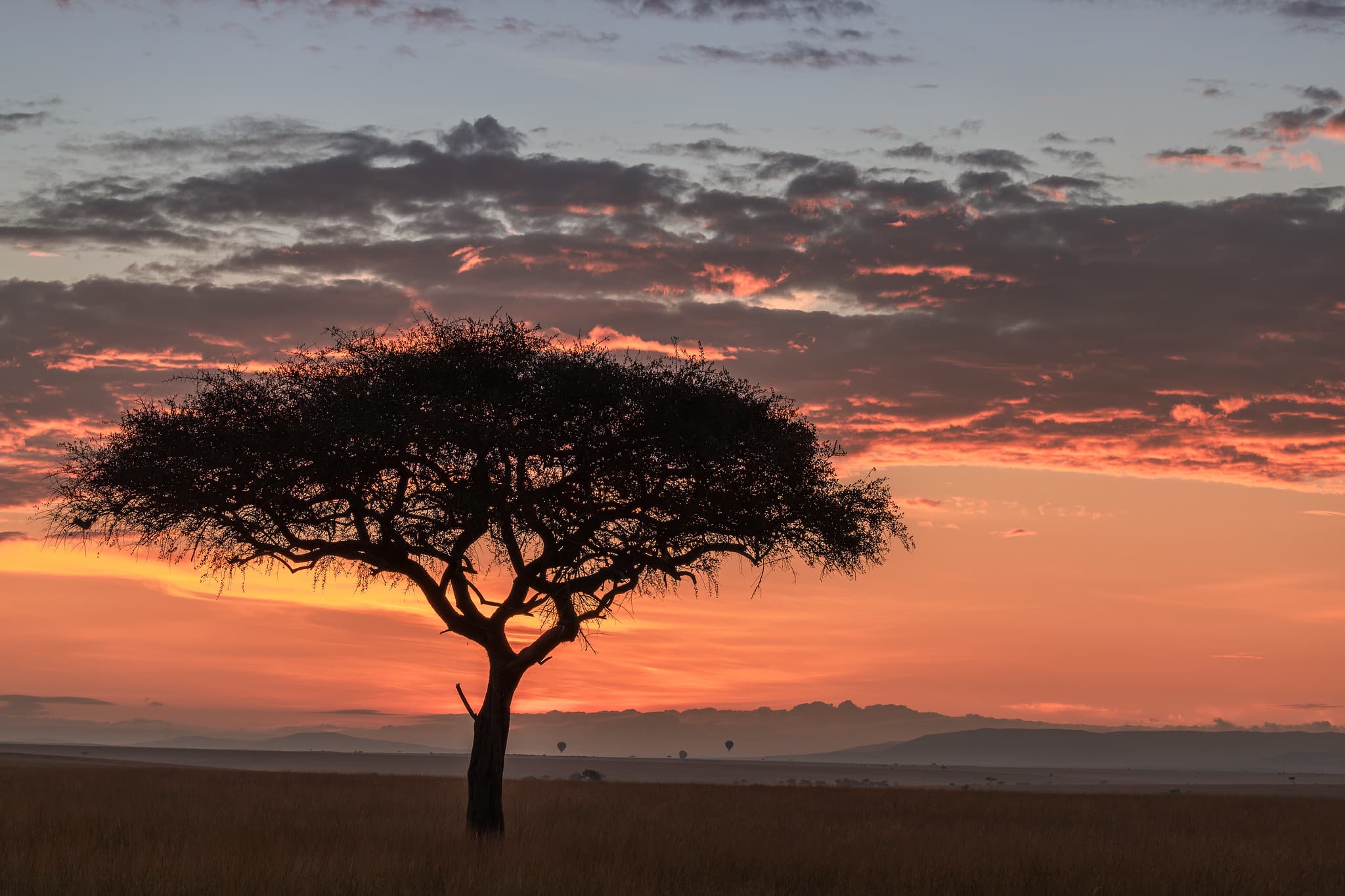
March, April, and May bring the long rains, and this is when the Mara shows you its most dramatic skies. Afternoon thunderstorms roll across the plains, and the light that precedes and follows a storm is some of the most extraordinary I've ever photographed — deep gold filtering beneath dark cloud, or a shaft of light isolating a single acacia on an otherwise shadowed plain.
This is also newborn season for many species: impala lambs, zebra foals, elephant calves, and warthog piglets all make appearances. The tenderness of these subjects against lush green landscapes makes for images genuinely different from the classic migration shots.
Green season rates are typically around $600 per person per day — meaningfully lower than peak season — and availability at top camps is much easier to secure.
Big Cat Photography Year-Round
One of the things that makes the Masai Mara exceptional is that lions, leopards, and cheetahs are resident year-round. You do not need the migration to have extraordinary big cat photography.
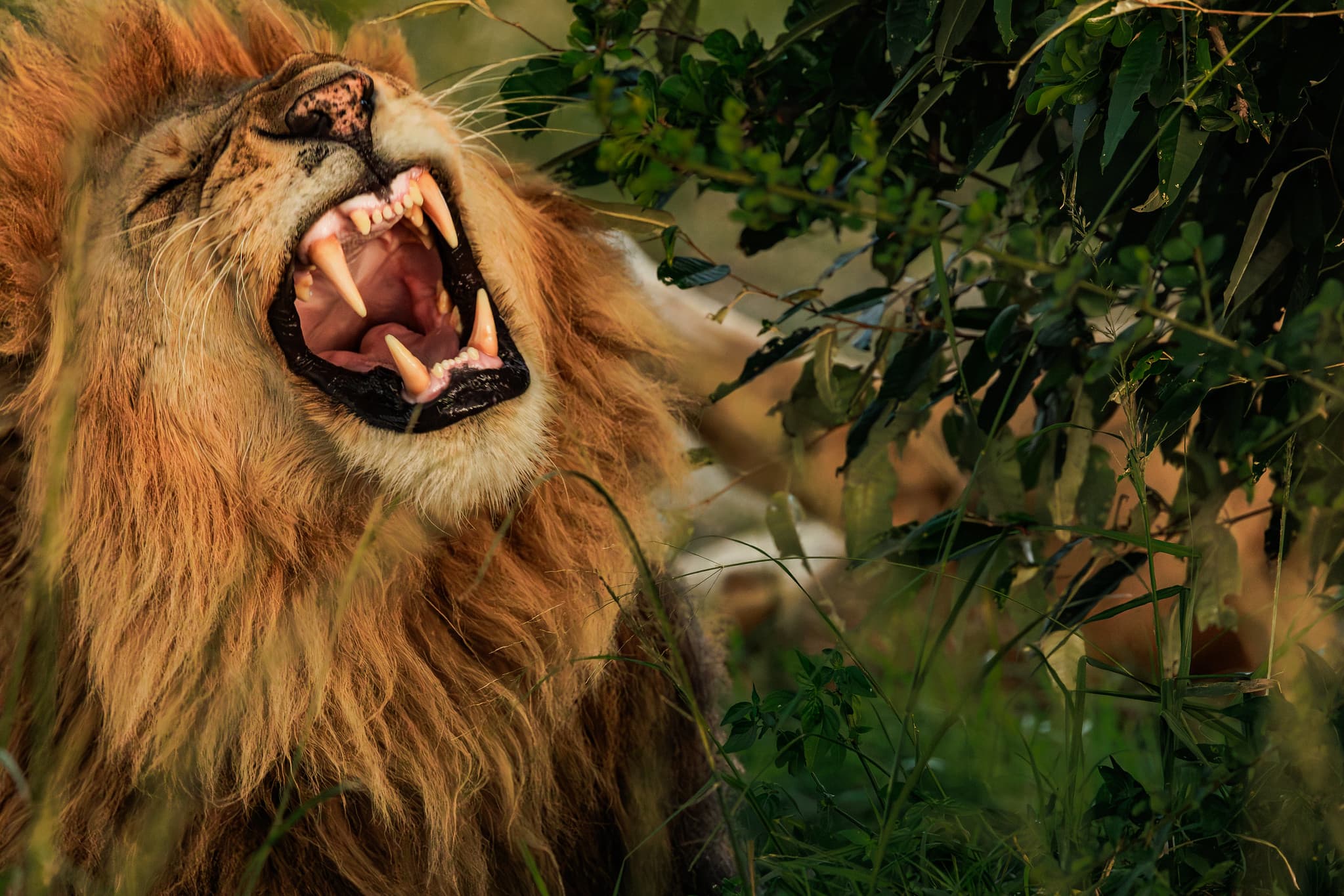
The Mara's lion prides are large and well-habituated to vehicles. I regularly photograph lions at distances of 10–15 metres from the vehicle — close enough for frame-filling portraits with a 400mm lens.
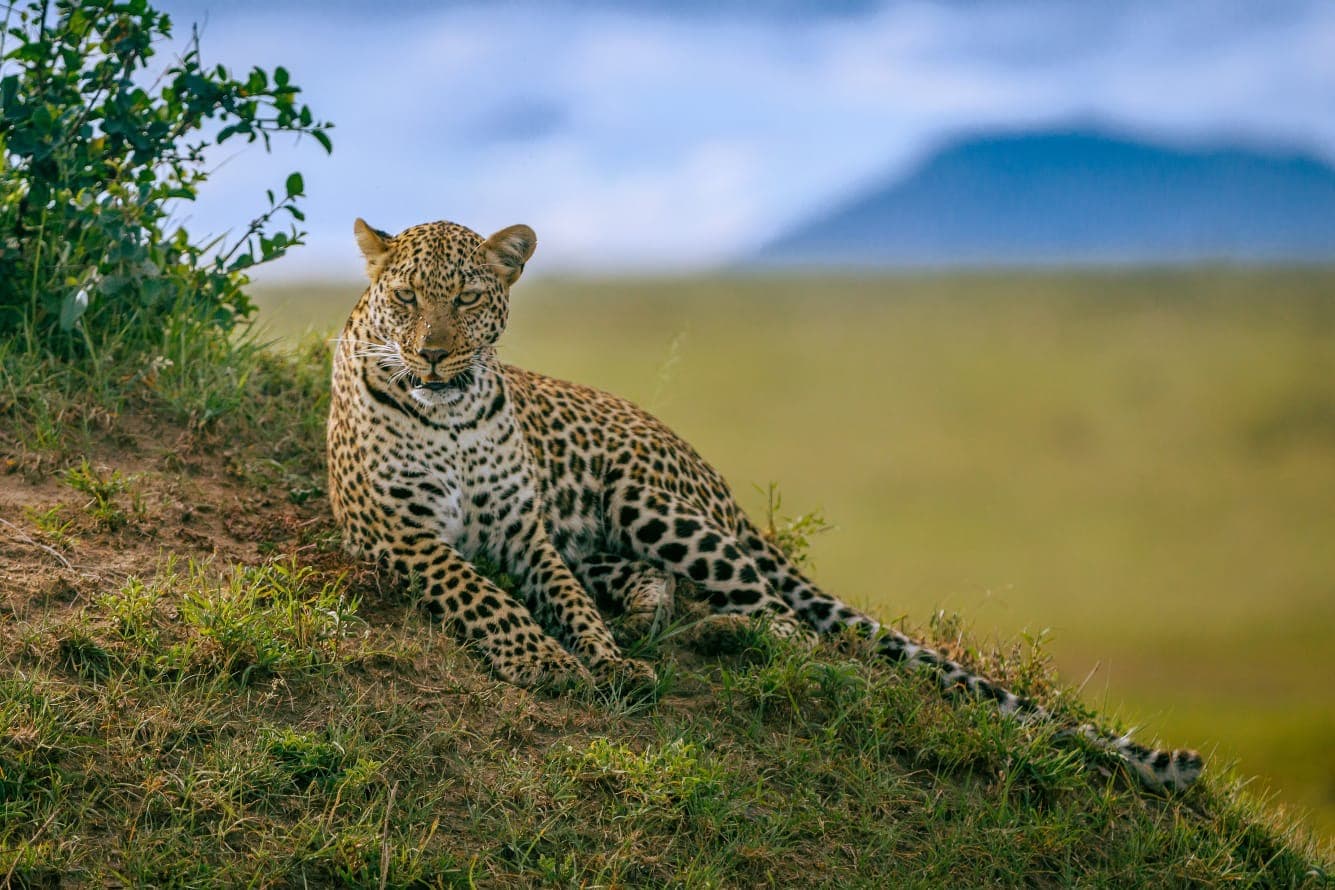
Leopards are most reliably found in the riverine forest zones along the Talek and Sand rivers. Early morning is your best window — they are often still active at first light before retreating into the canopy.
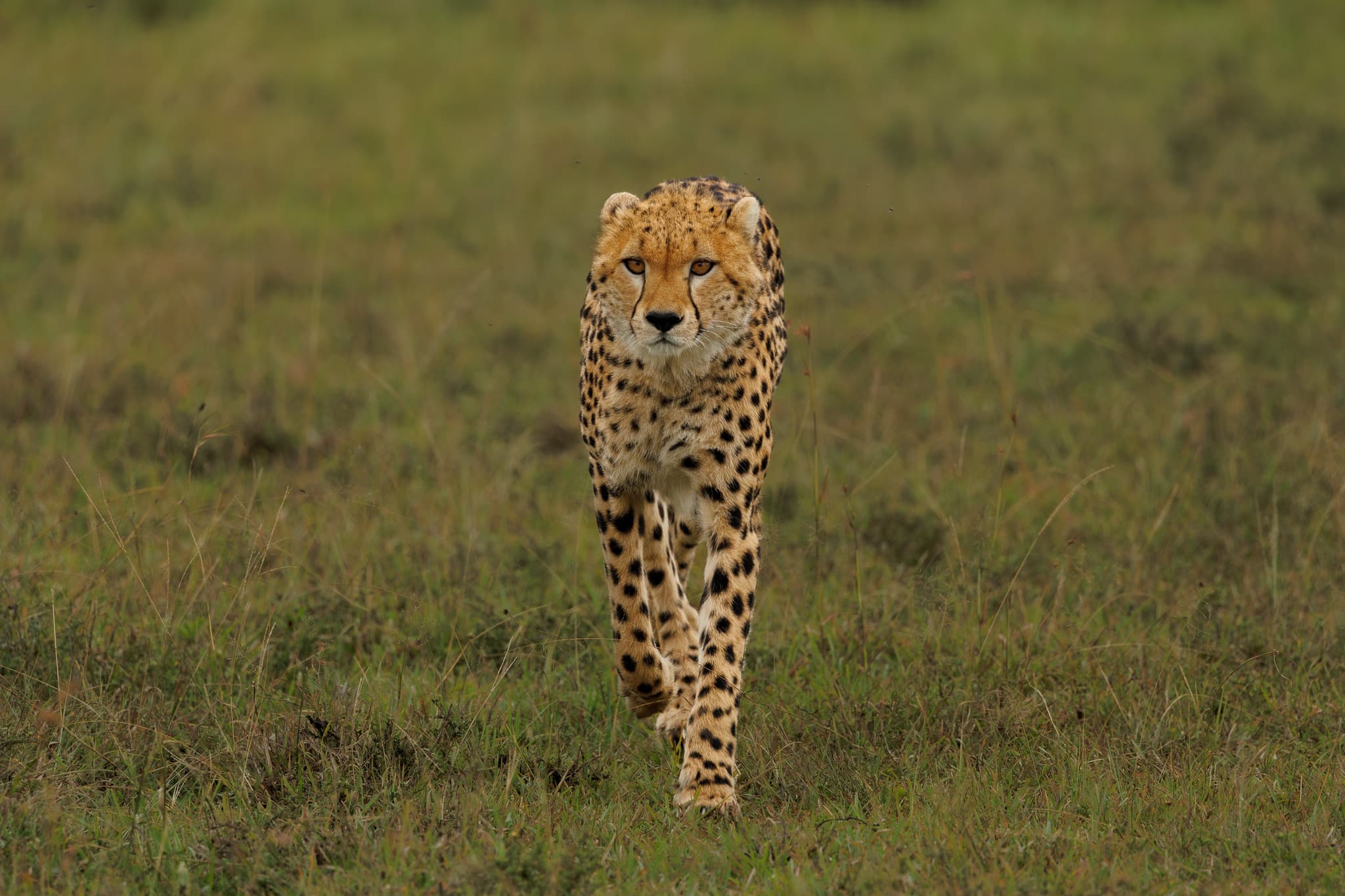
Cheetahs favour the open grasslands and are frequently spotted on termite mounds scanning for prey.
For cubs, the most productive window is February through April. Lion cubs born in October–December are at the appealing, playful stage by this point. Cheetah litters from the same period are beginning to venture further from cover. These months offer some of the most emotionally resonant wildlife photography of the year.
Month-by-Month Quick Reference
January — Quieter Mara; resident big cats active; clear mornings; excellent for intimate photography.
February — Best month for lion and cheetah cubs; grass short enough for strong visibility; lightly visited.
March — Long rains begin; dramatic storm skies; lush green landscapes; afternoon thunderstorms add mood.
April — Deep green season; fewer vehicles; extraordinary light around storms; impala lambs everywhere.
May — Rains tapering off; landscape still lush; excellent predator activity as herds begin moving north.
June — Transition month; herds beginning to arrive from Tanzania; anticipation builds; very good big cat activity.
July — Migration arrives; first major river crossings; predator activity peaks; busiest month begins.
August — Prime migration month; crossings almost daily at peak; maximum wildlife concentration.
September — Crossings continue; slightly fewer vehicles than August; excellent overall game viewing.
October — Migration begins moving south; short rains can arrive; dramatic skies return; strong value.
November — Short rains; herds departing; landscape greening; photogenic mixed conditions.
December — Green season firmly established; quieter reserves; resident wildlife very active; good value.
Weather and Light
The Masai Mara sits at roughly 1,500 metres elevation, which keeps temperatures pleasant year-round — typically 18–28°C during the day.
For photographers, the two golden hours are everything. Morning golden hour runs from approximately 6:30 to 7:00 AM — the light is warm, low, and directional, and the wildlife is at its most active. Evening golden hour runs from around 5:30 to 6:30 PM, and on clear days the warm light on the savanna is simply beautiful.
Midday light (10 AM – 3 PM) is harsh and flat. I use this time for vehicle repositioning, lunch, or reviewing images.
Afternoon thunderstorms from March through May are something I actively seek out as a photographer. The light that breaks through the storm's trailing edge is unlike anything else. Position yourself with the storm behind you, facing the subject — you'll get that dramatic, theatrical illumination that makes images look almost painted.
Practical Tips for Planning Your Visit
Book early for peak season. The best camps book out 6–9 months ahead for July and August.
Prioritise early morning drives. The first drive of the day, beginning before or at sunrise, is consistently the most productive. I've seen more significant sightings in the first two hours after dawn than in all remaining daylight hours combined.
Work with a specialist guide. An experienced wildlife photography guide who knows the Mara intimately will position you in the right place at the right time — away from crowds, with the light behind you, and close enough for frame-filling compositions.
How Fototrails 365 Plans Around the Light
Every tour itinerary I build is structured around photographic opportunity first. That means departure times set by golden hour, not by lodge meal schedules. It means positioning for the best light and angle when the situation calls for it. It means building in enough days that a slow morning doesn't cost you the trip.
Whether you join us during the peak of the migration or in the quiet green of April, you'll leave with images that reflect the real character of this extraordinary place. If you're unsure which season suits your goals best, reach out — I'm happy to talk through the options.
Explore This Destination