Photographing Elephants at Amboseli: Tips and Best Spots
Amboseli is the elephant photographer's paradise. Here's how to make the most of its unique conditions — and the incomparable Kilimanjaro backdrop.
Why Amboseli is Different
Amboseli's elephants are not simply elephants you happen to encounter. They are among the most studied, habituated, and individually identified elephant populations on earth, monitored by the Amboseli Elephant Research Project since 1972. This means the herds are entirely relaxed around vehicles — allowing photographers to approach closely, wait patiently, and capture intimate behavioural moments that are simply not possible in most other parks.
Combined with the extraordinary backdrop of Mount Kilimanjaro — Africa's highest peak, rising 5,895 metres immediately to the south of the park — Amboseli offers a compositional opportunity unique on the continent.
The Kilimanjaro Window
Kilimanjaro is not always visible. The mountain generates its own weather, and cloud cover builds through the morning, typically obscuring the summit by 9–10am. The clear window is narrow: from first light until approximately 8:30am on a good day.
This makes pre-dawn departures essential. On a fototrails 365 Amboseli tour, the alarm goes before 5am. By 6am, you are in position. By 6:30am, the sun is rising and the mountain is clear — and if the elephants are moving through the right ground, the shot is there.
The best months for Kilimanjaro visibility are October through February, when the mountain is less frequently cloud-covered. The dry season months (June–October) offer excellent wildlife but more frequent cloud at the summit.
Best Spots in the Park
Observation Hill: A raised vantage point in the centre of the park offering a 360-degree view of the swamps, open plains, and Kilimanjaro. Excellent for landscape context shots and spotting herds in the early morning.
Enkongo Narok Swamp: The larger of Amboseli's two permanent swamps. Elephants wade, feed, and spray water here — backlit spray is one of the park's iconic images. Hippos are resident; pelicans and other water birds add foreground interest.
Ol Tukai area: The open ground surrounding the Ol Tukai lodge sits on a natural elephant thoroughfare. Herds move through consistently and close, making this an excellent area for intimate encounters.
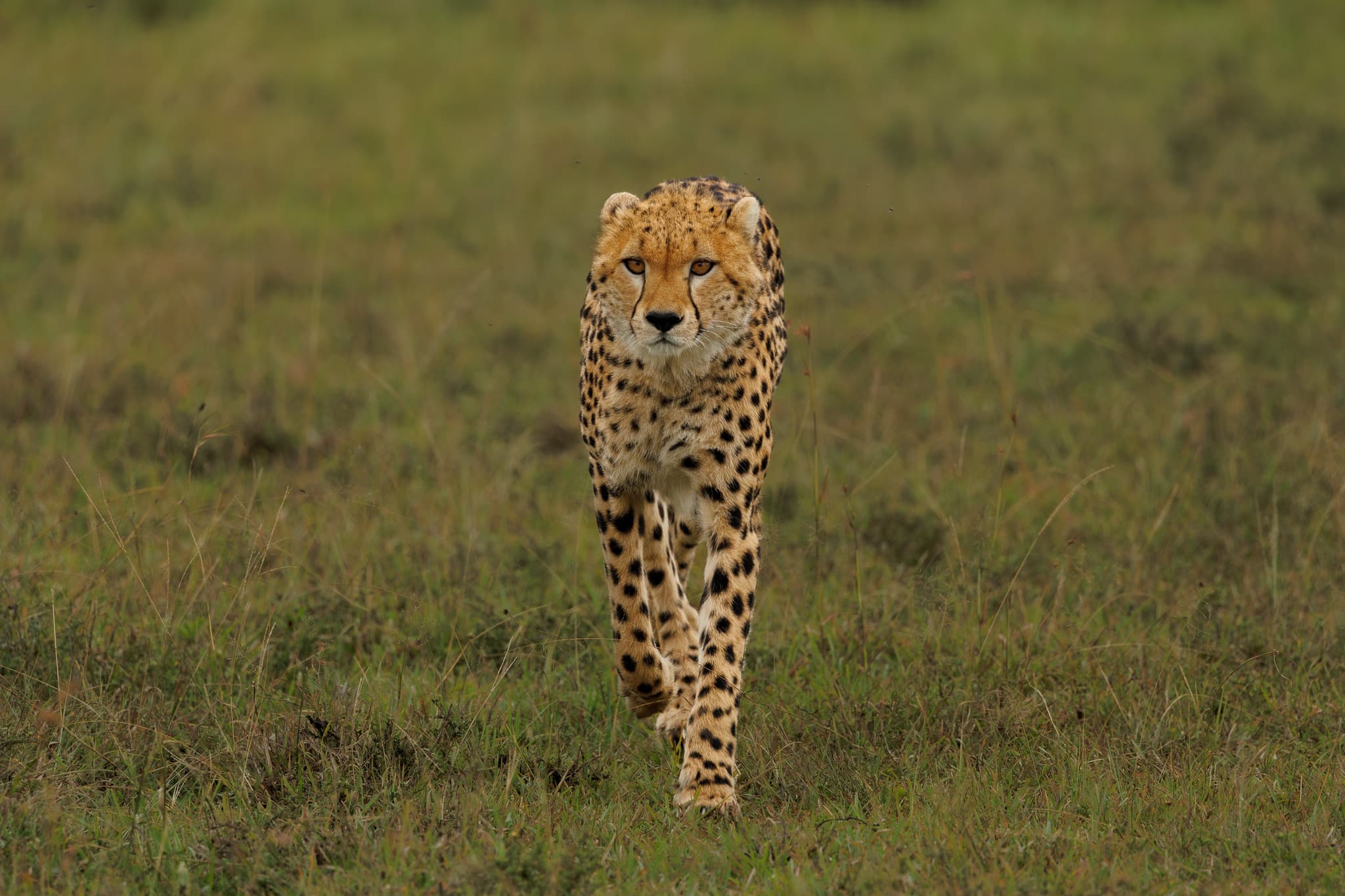
The northern edge: Lion and cheetah territory. Less elephant-focused but excellent for predator photography and open landscape work.
Composing the Kilimanjaro Shot
The classic Amboseli composition — elephant with Kilimanjaro — sounds simple but requires careful attention to several variables simultaneously:
1. Position the mountain in the upper third of the frame, not dead centre. Dead centre flattens the composition.
2. Use a medium telephoto (around 200–300mm) rather than a wide angle. A wide angle makes Kilimanjaro appear tiny. Compression at 200mm+ brings the mountain visually closer to the subject.
3. Wait for the elephant to be broadside to your vehicle, parallel to the mountain, for the cleanest compositional line.
4. Shoot into the light during the first hour only. Once the sun rises higher, direct light creates harsh shadows on the elephant's face. The soft, directional light of the first 30–40 minutes after sunrise is your window.
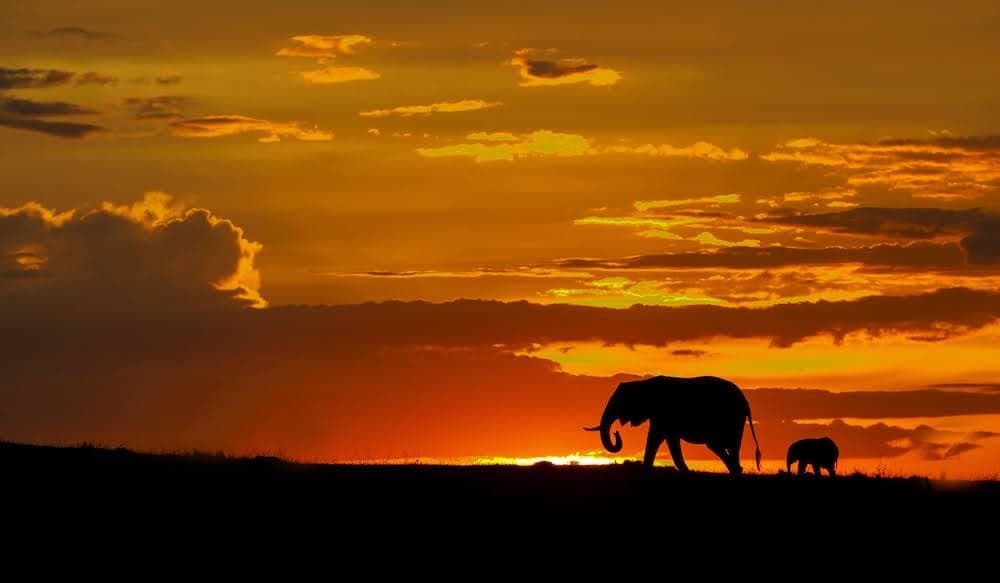
5. Include dust if it's there. Elephants kicking up dust in golden morning light adds atmosphere and scale.
Behavioural Moments Worth Waiting For
Beyond the landscape shot, Amboseli's habituated herds offer access to behavioural photography rarely achieved elsewhere:
- Young calves nursing and playing — the small herd size on any given sighting means you can focus on individuals
- Matriarchs leading the herd across the swamp — patterns of mud and water against their skin
- Sparring between young bulls — physical, dynamic, and photographable at close range
- Dust bathing — elephants covering themselves in fine Amboseli dust, explosive clouds of orange powder in early morning light
- Interaction with other species — zebra, wildebeest, and wading birds often share the swamp edge with elephant herds
A Note on Dust
Amboseli is one of the dustiest parks in East Africa, particularly in the dry season. The pale volcanic soil becomes airborne in the slightest wind. This is beautiful for photography — but devastating for camera equipment. Clean your sensor nightly. Use dust covers on all lenses. Keep a lens cloth accessible at all times. Consider a transparent plastic rain cover over the whole camera during drives when not actively shooting.
Explore This Destination