India Tiger Safari Photography — Tadoba, Kabini & Beyond
India holds the world's largest wild tiger population, and its well-managed reserves offer some of the most reliable big cat encounters on earth. Here's how to make the most of your India tiger photography trip.
Why India Is the World's Best Tiger Destination
There is a moment every Indian wildlife photographer knows. You are sitting in a Gypsy at dawn, the forest still wrapped in cold mist, and then — a pugmark in the dust. Fresh. The tracker goes quiet. Everyone in the jeep stops breathing.
I grew up with these forests. Long before I was carrying a camera, I was listening to the stories my grandfather told about the jungle. Decades later, India still stops me in my tracks — not because tigers are easy, but because nowhere else on earth gives you a better chance.
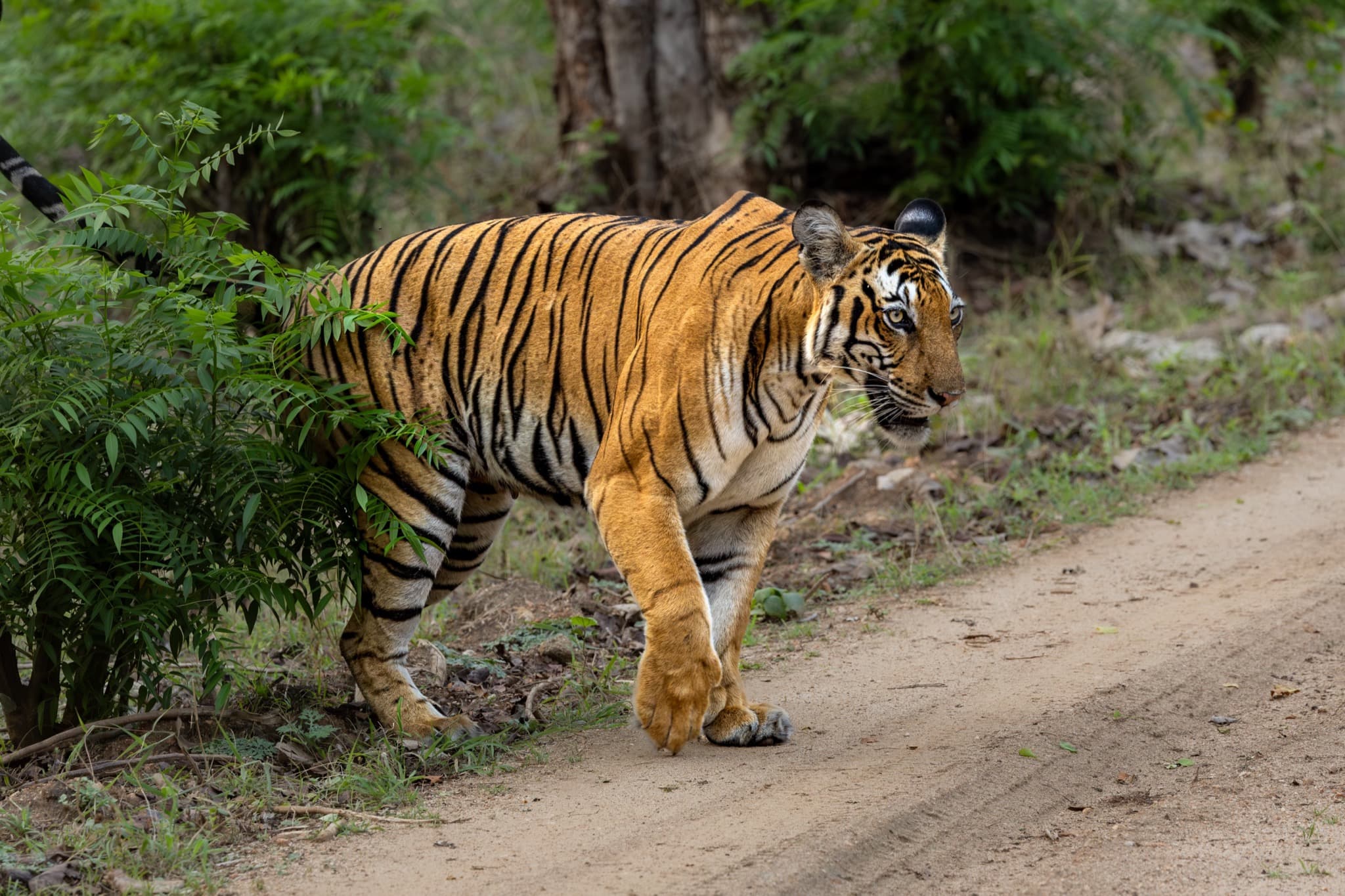
India is home to more than 3,000 wild Bengal tigers, roughly 75% of the global population. That number matters because it translates directly into sighting opportunities. The country's network of tiger reserves — currently 54 and growing — is managed under Project Tiger, a conservation programme that has pulled the species back from the very edge of extinction since 1973. The result is a system of well-patrolled parks where tigers have grown accustomed to safari vehicles over generations. They do not fear the Gypsy. They will walk toward you, past you, and entirely through your frame if you are patient enough.
The Parks: Knowing Where to Point Your Lens
Tadoba-Andhari Tiger Reserve, Maharashtra
Tadoba is where I take guests who have never photographed a tiger before. The terrain here is relatively open — dry deciduous forest, grassland meadows, and seasonal water bodies — which means the light reaches the forest floor and the sightlines are long. Sighting rates at Tadoba are among the highest in India, particularly around the lake zones of Tadoba and Kolsa. Tigers here are bold and well-habituated. You will regularly encounter them walking roads, sitting at water holes in full sun, or — during peak summer — draped over branches in the shade.
Kabini, Karnataka
Kabini operates on a completely different frequency. The landscape is lush and green year-round, fed by the Kabini reservoir. The Nagarhole forests that back the reserve are dense and layered, which means the photography here is moodier, more atmospheric — shafts of light cutting through a bamboo thicket, a tiger's eyes caught in dappled shadow. Kabini is also home to the famous black panther (a melanistic leopard) and a resident population of Indian elephants that move in massive herds toward the water's edge at dusk. Boat safaris on the reservoir at sunrise produce images you will not find anywhere else in India.
Jim Corbett National Park, Uttarakhand
India's oldest national park carries a particular weight of history. Named after the legendary hunter-turned-conservationist Jim Corbett, this is where Project Tiger was born. The Dhikala zone in particular — a vast, open grassland ringed by Sal forest — is one of the most iconic landscapes in Indian wildlife photography. The birdlife here is extraordinary — over 650 species recorded — making Corbett essential even on days when the big cats stay hidden.
Bandipur Tiger Reserve, Karnataka
Bandipur sits on the opposite side of the Kabini reservoir and shares a contiguous forest corridor with Nagarhole, Mudumalai, and Wayanad — one of the largest protected forest blocks in peninsular India. Crowds are lower here than in Kabini, and the landscape opens into beautiful mixed terrain. Gaur (Indian bison) are a constant presence, and the leopard population is significant. I often pair Bandipur with a Kabini leg for guests who want contrast in a single trip.
Camera Settings for Tiger Photography
Tigers move. Even when they appear still, they are computing the next action, and when they move, they move fast. Your settings need to be ready before you see the cat, not after.
Shutter speed: Set a minimum of 1/800s, and push to 1/1250s or faster if a tiger is trotting or running. Motion blur on a moving tiger is a missed moment. In darker forest conditions at dawn, push ISO to maintain this speed.
Aperture: In Indian forest settings, f/4 to f/5.6 typically works best. You want enough depth of field to keep the full face sharp — both eyes in focus on a three-quarter angle — while the bamboo and teak behind the tiger goes soft.
Autofocus: AI-Servo (Canon) or AF-C (Nikon/Sony) at all times. Use a single focus point or a small zone and lock it on the tiger's nearest eye. Grass, branches, and vehicle bars will try to steal your focus.
Burst mode at 10fps or faster is not about taking 400 identical frames; it is about capturing the three frames in a sequence where the head position, light catch in the eye, and posture align perfectly.
ISO: Modern cameras handle ISO 3200-6400 cleanly enough that you should not hesitate. An image with some grain at 1/800s is infinitely better than a smooth, blurred frame at 1/200s.
When to Go: Reading the Indian Safari Calendar
Indian tiger reserves operate on a hard seasonal calendar. Parks are closed from July through September during monsoon — the jungle regenerates, and the tigers rest.
October through June is your window, but within that window there is a clear hierarchy. February through May is peak season. The dry season concentrates animals around permanent water sources. Vegetation thins out as deciduous trees shed leaves, sightlines open, and tigers spend long hours near water. June, just before the monsoon, can produce extraordinary light and desperate animal activity.
October and November offer lush post-monsoon greenery — beautiful backgrounds for photography but denser cover, which means harder sightings.
For most photography guests, March and April hit the sweet spot of reliable sightings, manageable heat, and stunning open light.
Safari Logistics — What a Day Actually Looks Like
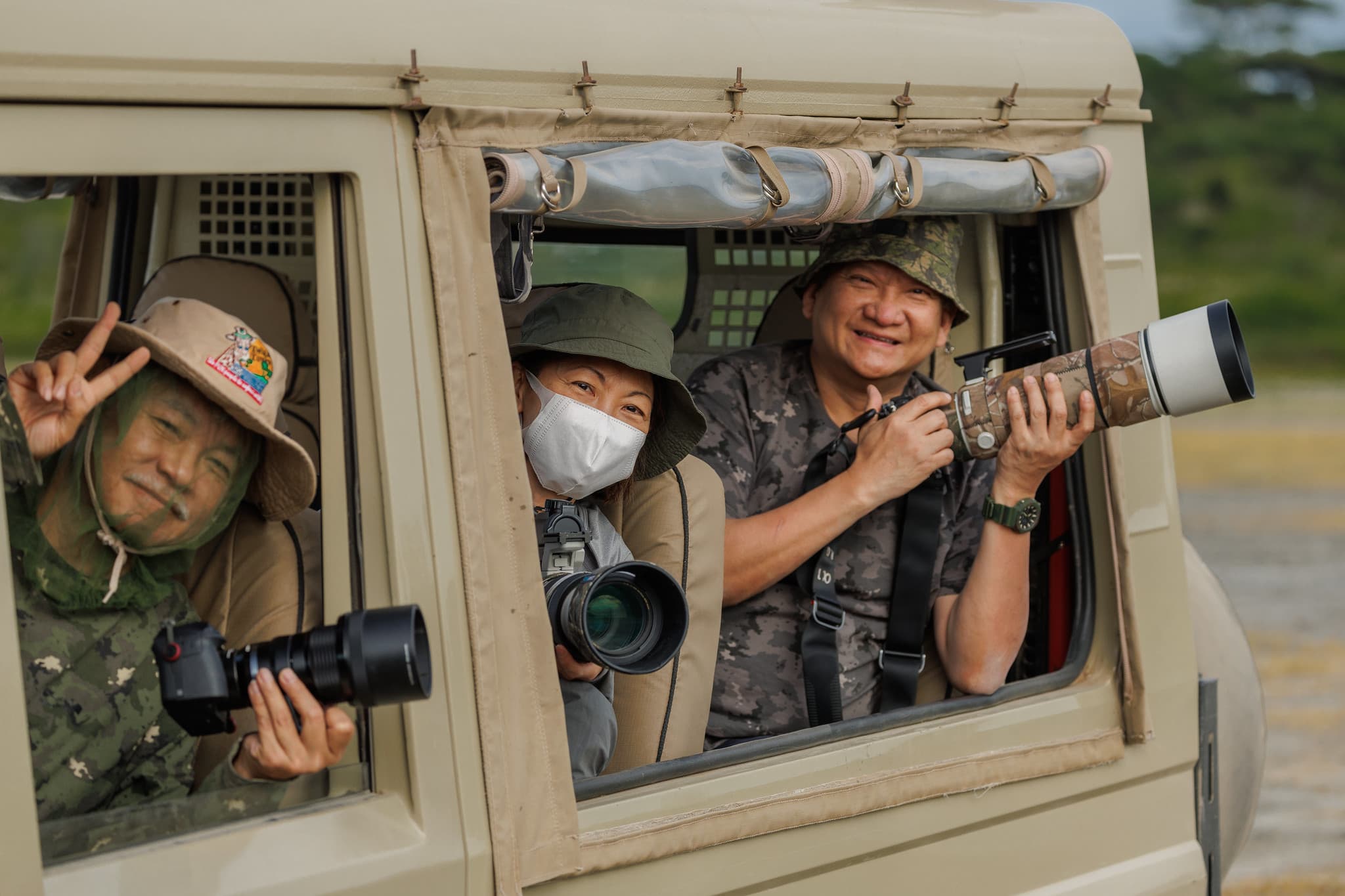
Indian park safaris run on strict schedules set by the forest department. The morning slot opens around 6am and runs for approximately three to four hours. The afternoon slot begins around 3pm and ends at dusk. You will be travelling in a six-seater Gypsy — an open-sided jeep that has become the standard vehicle across Indian reserves.
Each zone within a park has a fixed number of permits issued per session. Book well in advance for peak season — Tadoba's Moharli and Kolsa zones and Kabini's main zone sell out months ahead. A Gypsy with a knowledgeable naturalist-guide is the single biggest factor in your sighting success. The best guides read the forest — they listen to langur alarm calls, watch the tilt of a sambar's head, know which tigers are active this week and on which territories.
Beyond Tigers — India's Forest Is Never Empty
I tell every guest: even a day without a tiger is a great day in an Indian forest. Leopards are present in every reserve and significantly underrated as photographic subjects. Dholes (Indian wild dogs) hunt in packs and are among the most action-filled encounters you will ever witness. Sloth bears, with their shaggy coats and unpredictable personalities, photograph beautifully. Gaur — the world's largest wild cattle species — stand taller than a horse and carry a quiet power. And the birds: crested serpent eagles, Indian rollers, kingfishers, painted storks, and the magnificent grey-headed fish eagle along Kabini's water.
Handling Dappled Light and Forest Backgrounds
Indian forests present a specific photographic challenge: dappled light. Sunlight filtered through a canopy produces high-contrast patches that break up your subject and confuse your metering. In these conditions, switch to spot metering on the tiger's face rather than evaluative metering. Expose for the highlights on the fur — you can recover shadow detail, but blown highlights are gone.
Water hole photography in the afternoon produces flat, even light as the sun drops behind the trees — ideal for clean, evenly exposed portraits. This is when I lock down a position and wait.
Fototrails 365 India Tours — Nitin's Home Territory
These forests raised me. I know which water hole comes alive in April, which territory the dominant male has held for three seasons, which zone to request when you book your permit. India tours with fototrails 365 are not generic safaris — they are built around photographic intent, with sessions structured around the light and the animal activity patterns I have tracked over years of working these reserves.
We offer small groups, dedicated naturalist-guides who understand a photographer's needs, and flexible safari scheduling that chases conditions rather than a fixed itinerary. Whether you are photographing your first tiger or your hundredth, the Indian forest will give you something new.
Come see why this is where I always come back to.
Explore These Destinations