Kabini Wildlife Photography: India's Best-Kept Secret for Tiger and Leopard Encounters
Kabini in Karnataka offers some of India's most intimate wildlife encounters — tigers, leopards, elephants, and dholes in lush forest. Here's how to photograph it.
Why Kabini Stands Out
Kabini sits on the southern edge of Nagarhole National Park in Karnataka — one of India's most wildlife-dense reserves. Unlike the dry, open landscapes of central Indian tiger parks, Kabini is lush and green, with a large backwater reservoir that draws animals from deep in the forest to the water's edge.
The result is a photographer's dream: big cats, elephants, wild dogs, and birds all concentrated around accessible waterholes. The forest canopy creates soft, diffused light throughout the day, and the backgrounds are rich greens rather than dusty browns.
What You Can Photograph
Tigers
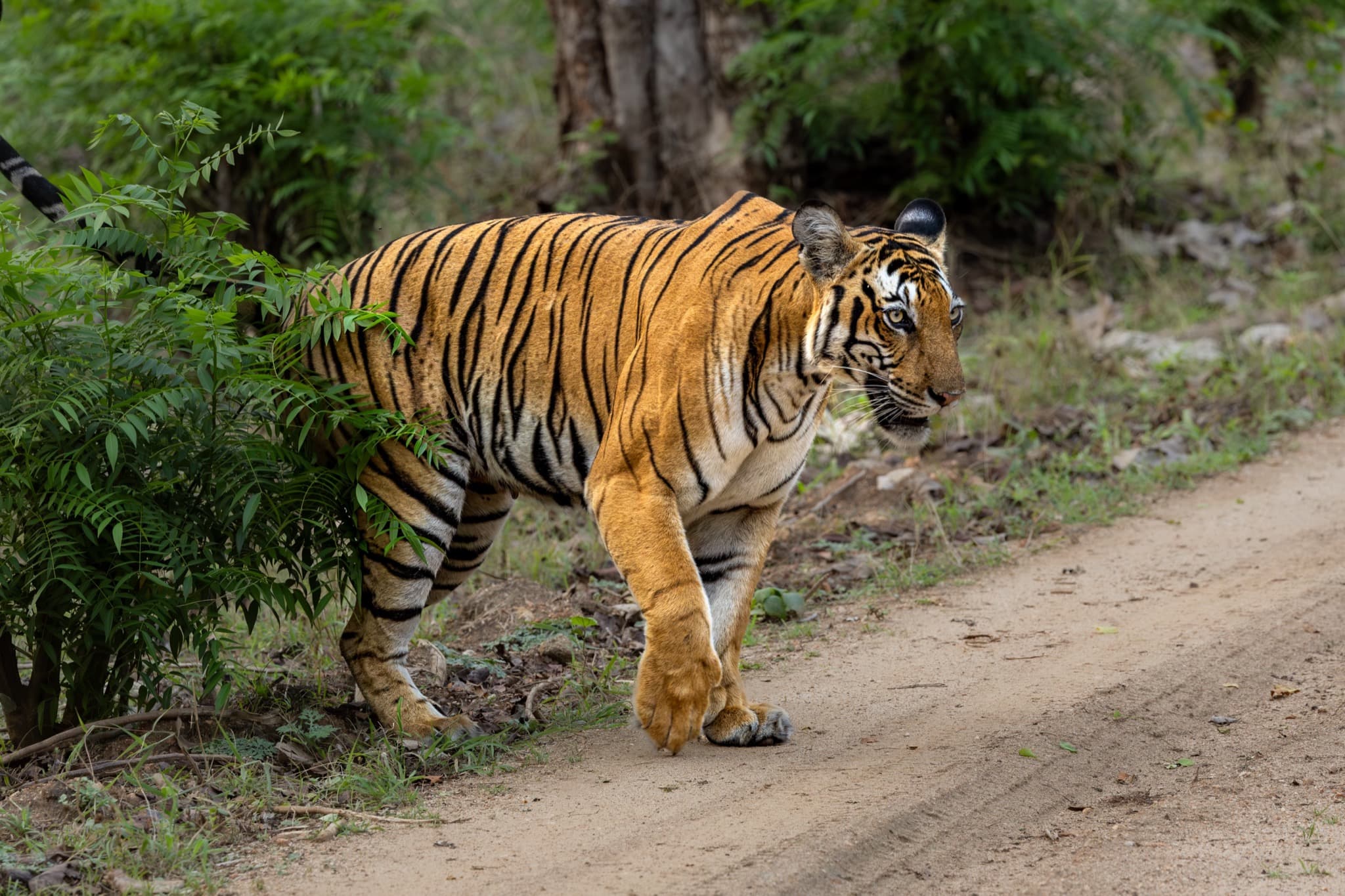
Nagarhole's tiger population is healthy and growing. Sightings are not as frequent as Tadoba or Ranthambore, but when you find a tiger in Kabini's forest, the setting is far more dramatic — dappled light through the canopy, deep green backdrop, and often near water.
The Kabini Backwaters: During dry months (March–May), the reservoir recedes and exposes mud flats. Tigers and leopards walk these exposed banks at dawn, creating extraordinary reflection shots in the shallow water.
Leopards
Kabini is one of the best places in India for leopard photography. The famous black panther of Kabini — a melanistic leopard — became a worldwide sensation. While melanistic sightings are rare, regular leopards are frequently spotted in trees, on rocks, and along forest trails.
Photography tip: Leopards are most active in the first and last hour of light. Position your vehicle near known resting trees and wait. Patience here produces extraordinary images.
Dholes (Indian Wild Dogs)
Kabini has one of India's strongest dhole populations. These pack hunters are incredibly photogenic — russet-coloured, expressive, and dramatically active during hunts. A dhole pack pursuing sambar deer through the forest is one of India's great wildlife photography moments.
Elephants
Herds of Asian elephants are a daily sight. The backwater area creates spectacular scenes: entire herds crossing the reservoir at dawn, silhouetted against the morning sky, or bulls bathing in the shallows.
Birds
Kabini's diverse habitats — forest, wetland, grassland, and reservoir — support over 270 bird species. Malabar pied hornbills, crested serpent eagles, Indian pittas, and flycatchers are regular sightings. The backwater attracts thousands of cormorants and open-billed storks.
Best Time to Visit
Dry Season (February – May)
The prime photography window. Water sources shrink, concentrating wildlife around the reservoir. Vegetation thins, improving visibility. March to May offers the best tiger and leopard sighting probability.
Peak months: March and April — hot but exceptionally productive.
Monsoon (June – September)
The park closes for the southwest monsoon. The outer areas remain accessible but game drives inside Nagarhole are suspended.
Post-Monsoon (October – January)
Lush and green. Wildlife is more dispersed but the forest is at its most beautiful. Excellent for bird photography and atmospheric landscape shots. Fewer tourists.
Camera Settings for Kabini
The forest environment creates unique challenges:
Under-canopy shooting:
- ISO: Higher than you expect — 1600–6400 is normal under the canopy
- Aperture: Wide open (f/4 or f/2.8) to isolate subjects from busy backgrounds
- Shutter: 1/500s minimum for mammals; faster for birds and action
Backwater dawn shots:
- Aperture: f/8 for landscape depth
- ISO: Low (100–400) for clean silhouettes
- Shutter: Varies — 1/60s for smooth water reflections, 1/1000s for action
Key challenge: The canopy creates high-contrast scenes with bright patches and deep shadows. Expose for the subject, not the background. Spot metering is essential.
What Makes Kabini Different from Central India
| Factor | Kabini | Central India (Tadoba, Ranthambore) |
|--------|--------|-------------------------------------|
| Landscape | Lush green forest, backwater | Dry deciduous, rocky |
| Light | Soft, diffused canopy light | Harsh, open sunlight |
| Tiger sightings | Moderate frequency, dramatic setting | Higher frequency, open terrain |
| Leopard sightings | Excellent | Variable |
| Elephants | Large herds daily | Rare or absent |
| Best months | March–May | February–May |
Planning Your Kabini Trip
Safari zones in Nagarhole are allocated by lottery — you cannot choose your zone. This means every drive is different, and flexibility is key. On a fototrails 365 tour, we book multiple drives across consecutive days to maximise coverage of different zones.
Accommodation ranges from forest lodges to luxury tented camps on the banks of the Kabini reservoir. The best lodges offer private access points and shorter drive times to prime wildlife areas.
A typical Kabini photography trip is 3–4 nights, often combined with Bandipur (adjacent national park) or a visit to the Mysore cultural circuit.
Explore This Destination